
Plaque Template
Plaque Template - Scientists call plaque a biofilm, clusters of bacteria that attach to a surface or each other and have survival strategies that help them evade your body's defense systems. Your teeth are covered with a sticky film called plaque that can contribute to tooth decay and gum disease. Learn what plaque is, its causes and the ways in which it can affect oral health. When left untreated, plaque can contribute to tooth decay and potentially gum disease. Dental plaque is one of the most common oral health concerns, yet it’s often underestimated. Learning how to take care of your teeth can help you remove and prevent.
Learning how to take care of your teeth can help you remove and prevent. When left untreated, plaque can contribute to tooth decay and potentially gum disease. Plaque is a soft, sticky film that forms on the surface of your teeth, primarily made up of bacteria, food particles, and saliva. Learn what plaque is, its causes and the ways in which it can affect oral health. Let’s break down what dental plaque is, why it matters, and how you can prevent and treat it effectively.
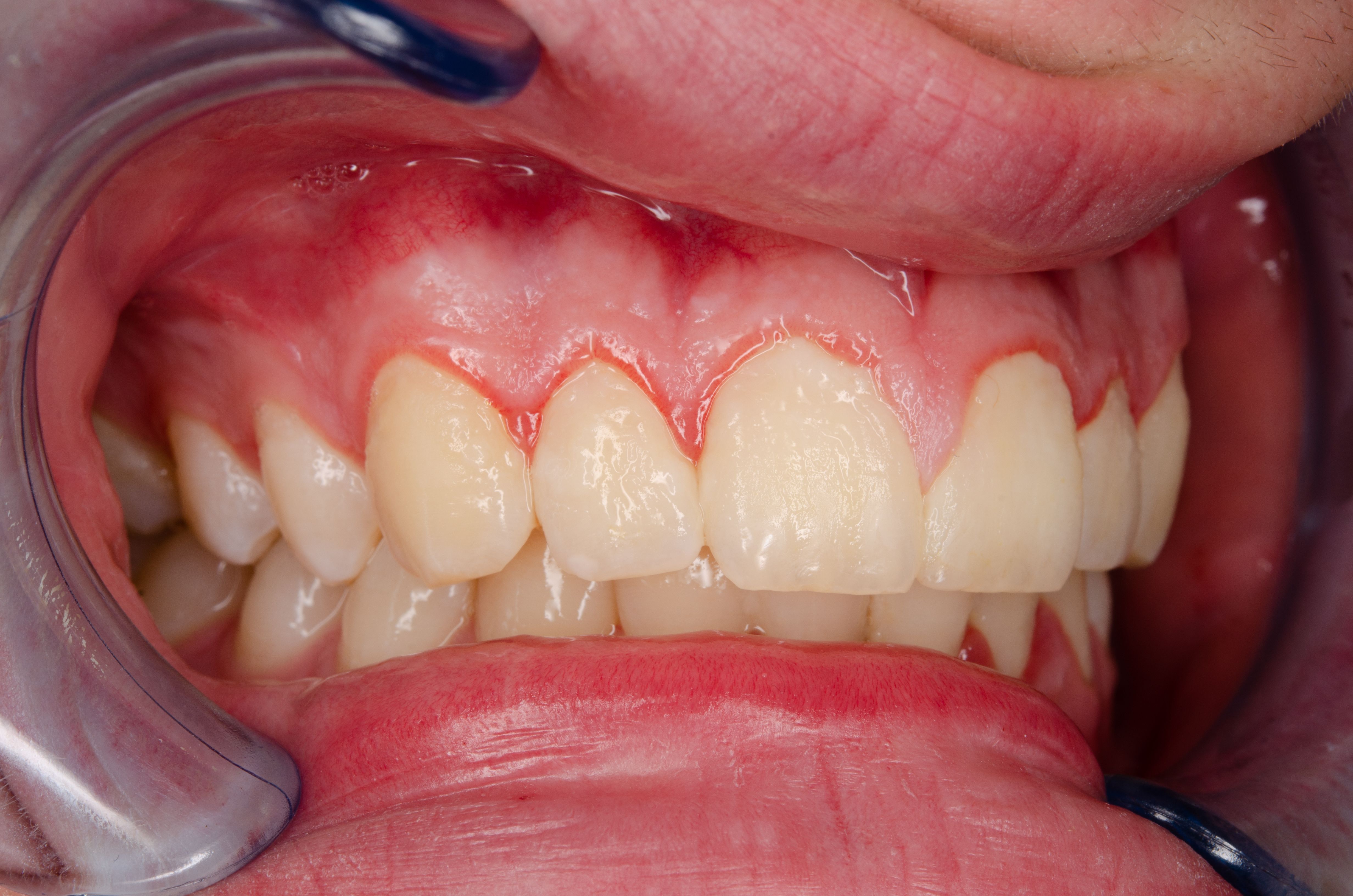
Your teeth are covered with a sticky film called plaque that can contribute to tooth decay and gum disease. Dental plaque is a biofilm of microorganisms (mostly bacteria, but also fungi) that grows on surfaces within the mouth. Understand how to remove plaque from teeth correctly at dental care. Plaque is a clear, sticky coating of bacteria that sticks to.

Plaques Standard — The Awards Place
Understand how to remove plaque from teeth correctly at dental care. Plaque is a clear, sticky coating of bacteria that sticks to your teeth. Dental plaque is a biofilm of microorganisms (mostly bacteria, but also fungi) that grows on surfaces within the mouth. Scientists call plaque a biofilm, clusters of bacteria that attach to a surface or each other and.

Plaque contains bacteria, which following a meal or snack containing sugar can release acids that attack tooth enamel. When left untreated, plaque can contribute to tooth decay and potentially gum disease. While it is colorless and often hard to detect, plaque can eventually harden into tartar if not removed regularly, leading to a host of dental problems. Your teeth are.
What Is Dental Plaque & How To Remove It
Let’s break down what dental plaque is, why it matters, and how you can prevent and treat it effectively. Plaque contains bacteria, which following a meal or snack containing sugar can release acids that attack tooth enamel. Your teeth are covered with a sticky film called plaque that can contribute to tooth decay and gum disease. Plaque is a soft,.

Dental Plaque On Teeth
When left untreated, plaque can contribute to tooth decay and potentially gum disease. Let’s break down what dental plaque is, why it matters, and how you can prevent and treat it effectively. Dental plaque is a sticky, colorless film made of bacteria that builds up on your teeth. Plaque is a sticky film that builds up on the teeth. If.
Plaque Template - Plaque is a soft, sticky film that forms on the surface of your teeth, primarily made up of bacteria, food particles, and saliva. Let’s break down what dental plaque is, why it matters, and how you can prevent and treat it effectively. Plaque contains bacteria, which following a meal or snack containing sugar can release acids that attack tooth enamel. It is a sticky colorless deposit at first, but when it forms tartar, it is often brown or pale yellow. Plaque is a sticky film that builds up on the teeth. Learn what plaque is, its causes and the ways in which it can affect oral health.
It is a sticky colorless deposit at first, but when it forms tartar, it is often brown or pale yellow. Your teeth are covered with a sticky film called plaque that can contribute to tooth decay and gum disease. When left untreated, plaque can contribute to tooth decay and potentially gum disease. It hangs onto bacteria, which can cause tooth decay and bad breath. Plaque is a sticky film that builds up on the teeth.
Learning How To Take Care Of Your Teeth Can Help You Remove And Prevent.
Plaque contains bacteria, which following a meal or snack containing sugar can release acids that attack tooth enamel. Learn what plaque is, its causes and the ways in which it can affect oral health. If you don’t brush your teeth soon after eating or drinking, the combination of bacteria, acids and carbohydrates can mix into a sticky, colorless film called plaque. While it is colorless and often hard to detect, plaque can eventually harden into tartar if not removed regularly, leading to a host of dental problems.
Plaque Is A Soft, Sticky Film That Forms On The Surface Of Your Teeth, Primarily Made Up Of Bacteria, Food Particles, And Saliva.
Let’s break down what dental plaque is, why it matters, and how you can prevent and treat it effectively. Your teeth are covered with a sticky film called plaque that can contribute to tooth decay and gum disease. Plaque is a sticky film that builds up on the teeth. Dental plaque is a biofilm of microorganisms (mostly bacteria, but also fungi) that grows on surfaces within the mouth.
It Is A Sticky Colorless Deposit At First, But When It Forms Tartar, It Is Often Brown Or Pale Yellow.
This sticky, colorless film can lead to cavities, gum disease, and bad breath if not properly managed. It hangs onto bacteria, which can cause tooth decay and bad breath. Dental plaque is a sticky, colorless film made of bacteria that builds up on your teeth. When left untreated, plaque can contribute to tooth decay and potentially gum disease.
Scientists Call Plaque A Biofilm, Clusters Of Bacteria That Attach To A Surface Or Each Other And Have Survival Strategies That Help Them Evade Your Body's Defense Systems.
Dental plaque is one of the most common oral health concerns, yet it’s often underestimated. Learn what plaque is and how to remove and prevent it from damaging your teeth with this guide. Understand how to remove plaque from teeth correctly at dental care. Plaque is a clear, sticky coating of bacteria that sticks to your teeth.