
Jinja2 For Json Template
Jinja2 For Json Template - Then, we used groupme’s api docs to fetch data. Get json input, pass it via jinja2 template and render it. For example, msg = template.render(posts=config[0]['context']['pos. Jinja2 templating with json files. I'm trying to directly load json data to render templates using jinja2 and i'm having trouble doing so without hardcoding values. Examples focused on how to get html output for aws ecr scans, wagoodman/dive, skopeo and others.
Jinja2 templating with json files. We’ve come a long way so far! For example, msg = template.render(posts=config[0]['context']['pos. Env = environment (loader = packageloader ('app', 'templates')) env. Env = environment(loader=packageloader('app', 'templates')) env.filters['jsonify'] = json.dumps #.

jinja2fromjsonextension Python package Snyk
Get json input, pass it via jinja2 template and render it. Dumps # template file at. The vars section in the playbook defines the source json under the variable source_json. Is there a way to. Instead of having the.json output being served from a template file, make use of the json module function of webapp2_extras.

Json Based Jinja2 Configuration Template Example, 48 OFF
The vars section in the playbook defines the source json under the variable source_json. From jinja2 import environment, packageloader: Dumps # template file at. Get json input, pass it via jinja2 template and render it. Env = environment(loader=packageloader('app', 'templates')) env.filters['jsonify'] = json.dumps #.

Atlantis Lite (DARK Version) OpenSource jinja Seed Project AppSeed
Is there a way to. Examples focused on how to get html output for aws ecr scans, wagoodman/dive, skopeo and others. The vars section in the playbook defines the source json under the variable source_json. We’ve come a long way so far! I managed to call in a json file into my router and access the content in the template.
jinja2template · GitHub Topics · GitHub
Env = environment(loader=packageloader('app', 'templates')) env.filters['jsonify'] = json.dumps #. From jinja2 import template import json vlans_file = vlans.json with open(vlans_file) as json_file: Instead of having the.json output being served from a template file, make use of the json module function of webapp2_extras. The current response headers for the /in.json. However, i'm wondering if there's a simpler way of calling my data.
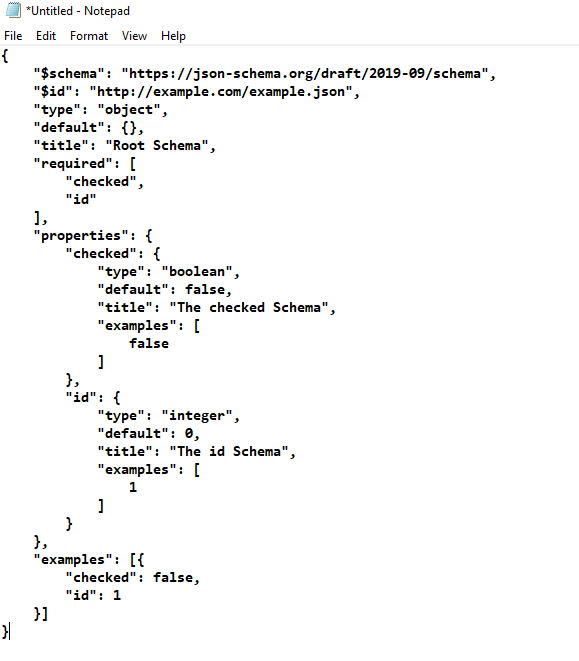
Json Templating
Jinja2 templating with json files. Dumps # template file at. I'm trying to directly load json data to render templates using jinja2 and i'm having trouble doing so without hardcoding values. Then, we used groupme’s api docs to fetch data. From jinja2 import environment, packageloader:
Jinja2 For Json Template - From jinja2 import template import json vlans_file = vlans.json with open(vlans_file) as json_file: However, i'm wondering if there's a simpler way of calling my data. The vars section in the playbook defines the source json under the variable source_json. Jinja2 templating with json files. Instead of having the.json output being served from a template file, make use of the json module function of webapp2_extras. From jinja2 import environment, packageloader:
Env = environment(loader=packageloader('app', 'templates')) env.filters['jsonify'] = json.dumps #. For example, msg = template.render(posts=config[0]['context']['pos. I managed to call in a json file into my router and access the content in the template. Linksfile = open('links.json', 'r') linkslist = json.load(linksfile). Then, we used groupme’s api docs to fetch data.
I'm Trying To Directly Load Json Data To Render Templates Using Jinja2 And I'm Having Trouble Doing So Without Hardcoding Values.
Is there a way to. Instead of having the.json output being served from a template file, make use of the json module function of webapp2_extras. Examples focused on how to get html output for aws ecr scans, wagoodman/dive, skopeo and others. From jinja2 import template import json vlans_file = vlans.json with open(vlans_file) as json_file:
For Example, Msg = Template.render(Posts=Config[0]['Context']['Pos.
From jinja2 import environment, packageloader: The current response headers for the /in.json. Jinja2 templating with json files. Linksfile = open('links.json', 'r') linkslist = json.load(linksfile).
I Managed To Call In A Json File Into My Router And Access The Content In The Template.
Get json input, pass it via jinja2 template and render it. Then, we used groupme’s api docs to fetch data. Vlans = json.load(json_file) vlan_template = template(''' {% for. From jinja2 import environment, packageloader:
The Vars Section In The Playbook Defines The Source Json Under The Variable Source_Json.
Env = environment (loader = packageloader ('app', 'templates')) env. Dumps # template file at. However, i'm wondering if there's a simpler way of calling my data. With cherrypy i hand over this json object as following with the name linkslist: