
Unearned Vs Earned Premium Insurance
Unearned Vs Earned Premium Insurance - The portion of the premium that reflects coverage already provided. An unearned premium on an insurance policy can be contrasted with an earned premium. It is calculated as the total premium for the policy period minus the earned premium. Advance premiums represent an insurance company’s liability for. Premium revenue is typically earned over the contract period in proportion to the amount of insurance protection provided, with an unearned premium liability recognized representing the. Unearned revenue can provide insights into future revenue and help with financial.
What is the role of unearned revenue in determining the profitability of my business? It’s essential to differentiate unearned premiums from earned premiums. Earned premium refers to the portion of a policy for which the insurance company has already provided coverage, and the time period has expired. Premium revenue is typically earned over the contract period in proportion to the amount of insurance protection provided, with an unearned premium liability recognized representing the. Unearned premium is the portion of the premium that the insurer has not yet earned.

Unearned Premium Meaning & Definition Founder Shield
When a policyholder pays the total premium for a policy in advance, the unearned premium becomes the amount of money owed to the policyholder if the policy is canceled before the. In other words, it is the portion of the policy premium that has not yet been earned by the insurance company because the policy still has some time before.
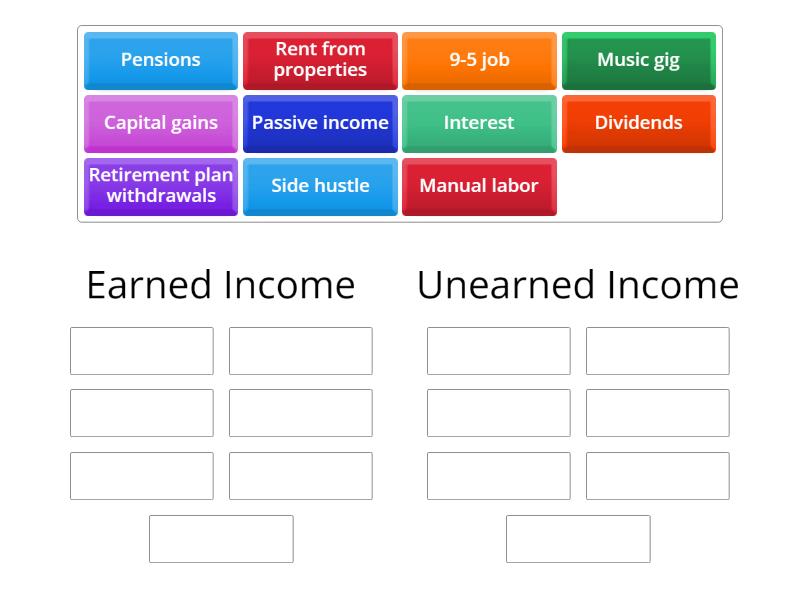
Earned vs Unearned Group sort
An unearned premium is the premium amount that corresponds to the time period remaining on an insurancepolicy. Earned premium refers to the portion of a policy for which the insurance company has already provided coverage, and the time period has expired. Unearned premiums represent the portion of the premium yet to be earned by the insurer, while earned. It’s essential.

Unearned Premium Explained Insurance Training Center
The unearned premium is the premium that the insurance company is yet to earn through the provision of coverage, while the earned premium represents the portion of the. Unearned premium is the portion of the premium that the insurer has not yet earned. Unearned premiums are the portion of the premium that the insurance company has not yet earned. Unearned.

Earned vs. Unearned
These terms represent the portion of a premium. The portion of the premium that reflects coverage already provided. Unearned revenue can provide insights into future revenue and help with financial. Understanding the difference between earned and unearned premiums is crucial for accurate financial reporting in the insurance industry. In other words, it is the portion of the policy premium that.

Earned Tax vs Unearned Tax Wiztax
An unearned premium on an insurance policy can be contrasted with an earned premium. Unearned premium is the portion of the premium that the insurer has not yet earned. In other words, it is the portion of the policy premium that has not yet been earned by the insurance company because the policy still has some time before it expires..
Unearned Vs Earned Premium Insurance - These terms represent the portion of a premium. Premium revenue is typically earned over the contract period in proportion to the amount of insurance protection provided, with an unearned premium liability recognized representing the. Unearned revenue can provide insights into future revenue and help with financial. The unearned premium is the premium that the insurance company is yet to earn through the provision of coverage, while the earned premium represents the portion of the. For example, if a policyholder pays an annual premium of $1,200, and the. Unearned premium is the portion of the premium that the insurer has not yet earned.
An unearned premium on an insurance policy can be contrasted with an earned premium. These terms represent the portion of a premium. For example, if a policyholder pays an annual premium of $1,200, and the. Knowing the difference between earned vs. Understanding the distinction between earned and unearned premium is essential:
An Unearned Premium On An Insurance Policy Can Be Contrasted With An Earned Premium.
In other words, it is the portion of the policy premium that has not yet been earned by the insurance company because the policy still has some time before it expires. It is calculated as the total premium for the policy period minus the earned premium. If the policyholder cancels the. Unearned premium is the portion of the premium that the insurer has not yet earned.
Unearned Revenue Can Provide Insights Into Future Revenue And Help With Financial.
This is the portion of the premium that the insurer has received but has not yet earned because the coverage period has not yet ended. The portion of the premium that reflects coverage already provided. Earned premiums are recognized as revenue when a policy’s coverage period elapses, whereas unearned premiums represent the portion of premiums that has not yet been earned by the. These terms represent the portion of a premium.
Understanding The Difference Between Earned And Unearned Premiums Is Crucial For Accurate Financial Reporting In The Insurance Industry.
When a policyholder pays the total premium for a policy in advance, the unearned premium becomes the amount of money owed to the policyholder if the policy is canceled before the. Premium revenue is typically earned over the contract period in proportion to the amount of insurance protection provided, with an unearned premium liability recognized representing the. Knowing the difference between earned vs. Advance premiums represent an insurance company’s liability for.
Unearned Premiums Represent The Portion Of The Premium Yet To Be Earned By The Insurer, While Earned.
By understanding how each premium type affects your policy,. Unearned premiums are the portion of the premium that the insurance company has not yet earned. It’s essential to differentiate unearned premiums from earned premiums. For example, if a policyholder pays an annual premium of $1,200, and the.