
Primary Insured
Primary Insured - This can include remaining deductibles, copayments, or coinsurance. When you have two forms of health insurance coverage, your primary insurance pays the first portion of the claim up to your coverage limits. Generally, if you are the “subscriber” or employee of the company providing the health insurance, this health plan will be considered “primary” for you. Once the primary insurance plan has been established, the secondary coverage plays a supporting role by covering eligible costs the primary insurer does not fully reimburse. Primary insurance is billed first when you receive health care. Primary insurance is billed first when you receive health care.
This person is generally the intended policyowner and is listed as applicant on the premium due page after a policy is issued. For example, health insurance you receive through your employer is typically your primary insurance. Primary insurance is billed first when you receive health care. Named insured have the maximum coverage and are responsible for maintaining the policy; Secondary insurers do not process claims until the primary plan has made its payment determination.
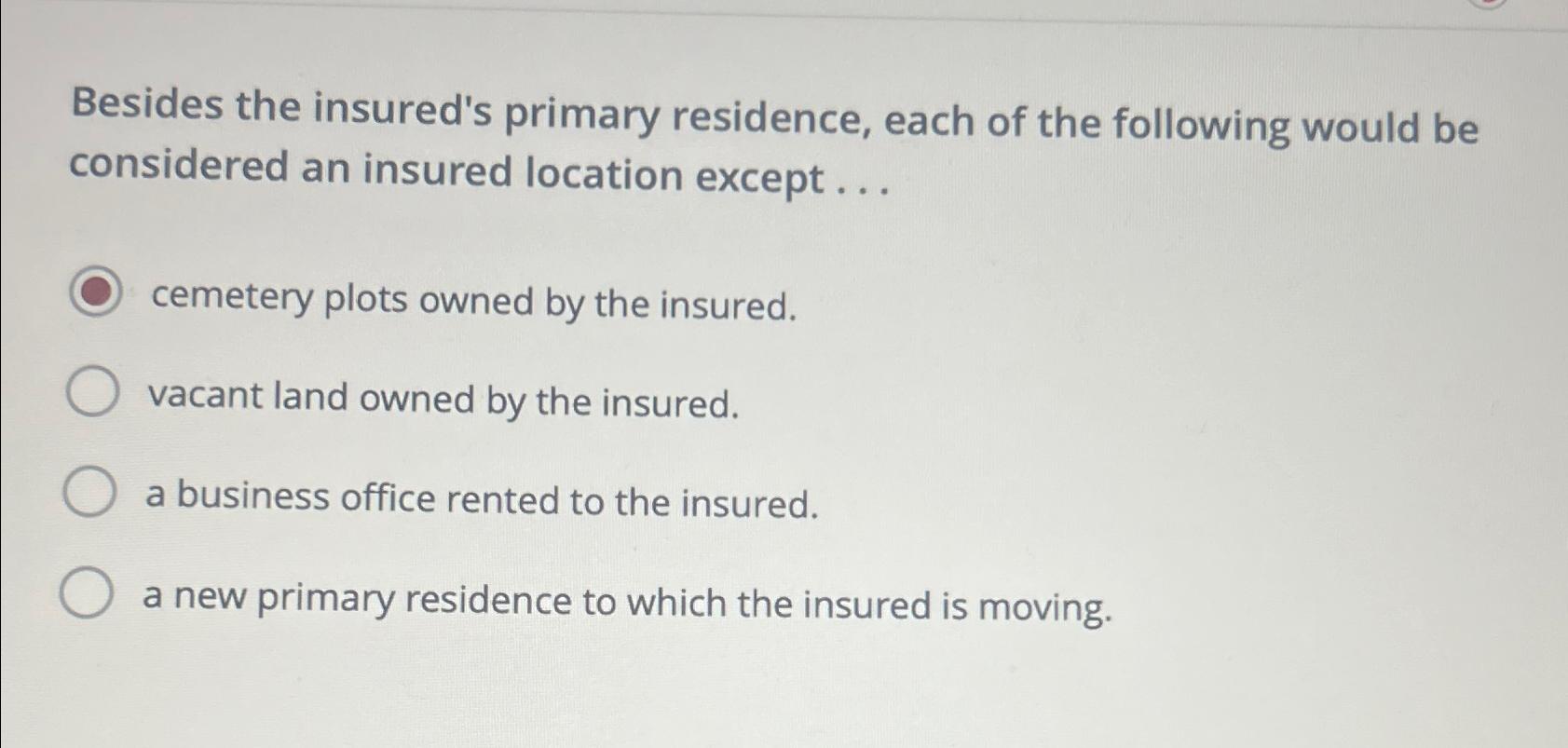
Solved Besides the insured's primary residence, each of the
For example, health insurance you receive through. If you have two plans, your primary insurance is your main insurance. Generally, if you are the “subscriber” or employee of the company providing the health insurance, this health plan will be considered “primary” for you. Additional insured are people or entities covered by someone else's insurance policy For example, health insurance you.

Benefits of Being Primary Insured Insurance Professionals of Arizona
This person is generally the intended policyowner and is listed as applicant on the premium due page after a policy is issued. Named insured have the maximum coverage and are responsible for maintaining the policy; Additional insured are people or entities covered by someone else's insurance policy Your primary insurance is the health plan that covers the majority of your.

Primary Insured Vs Insured Person Ppt Powerpoint Presentation
Primary insurance is billed first when you receive health care. This can include remaining deductibles, copayments, or coinsurance. Additional insured are people or entities covered by someone else's insurance policy Primary insurance is a health insurance plan that covers a person as an employee, subscriber, or member. Generally, if you are the “subscriber” or employee of the company providing the.

Understanding Sum Insured Meaning In Vehicle Insurance 2024 Pesan By
Primary insurance — primary insurance is a health insurance plan that covers a person as an employee, subscriber, or member. Your secondary insurance may pick up some or all of the remaining costs. When you have two forms of health insurance coverage, your primary insurance pays the first portion of the claim up to your coverage limits. For example, health.

Fillable Online Primary Insured Information Secondary Insured/Spouse
This person is generally the intended policyowner and is listed as applicant on the premium due page after a policy is issued. For example, health insurance you receive through. Except for company retirees on medicare, the health insurance you receive through your employer is typically considered your primary health insurance plan. Additional insured are people or entities covered by someone.
Primary Insured - Primary insurance is a health insurance plan that covers a person as an employee, subscriber, or member. Primary insurance is billed first when you receive health care. Named insured have the maximum coverage and are responsible for maintaining the policy; Once the primary insurance plan has been established, the secondary coverage plays a supporting role by covering eligible costs the primary insurer does not fully reimburse. Named insured are people or entities designated by name on the policy; Except for company retirees on medicare, the health insurance you receive through your employer is typically considered your primary health insurance plan.
Named insured are people or entities designated by name on the policy; Primary insurance is billed first when you receive health care. When you have two forms of health insurance coverage, your primary insurance pays the first portion of the claim up to your coverage limits. For example, health insurance you receive through your employer is typically your primary insurance. Additional insured are people or entities covered by someone else's insurance policy
Your Primary Insurance Is The Health Plan That Covers The Majority Of Your Health Expenses.
Primary insurance is billed first when you receive health care. A person who fills out and signs a request for insurance coverage is usually referred to as the primary insured or applicant. Generally, if you are the “subscriber” or employee of the company providing the health insurance, this health plan will be considered “primary” for you. Primary insurance is billed first when you receive health care.
This Can Include Remaining Deductibles, Copayments, Or Coinsurance.
Primary insurance is a health insurance plan that covers a person as an employee, subscriber, or member. Named insured have the maximum coverage and are responsible for maintaining the policy; For example, health insurance you receive through. Your secondary insurance may pick up some or all of the remaining costs.
Once The Primary Insurance Plan Has Been Established, The Secondary Coverage Plays A Supporting Role By Covering Eligible Costs The Primary Insurer Does Not Fully Reimburse.
When you have two forms of health insurance coverage, your primary insurance pays the first portion of the claim up to your coverage limits. For example, health insurance you receive through your employer is typically your primary insurance. This coverage is often included as part of an employer’s health insurance plan. Secondary insurers do not process claims until the primary plan has made its payment determination.
Named Insured Are People Or Entities Designated By Name On The Policy;
Primary insured means that an organization is legally responsible for paying all of a person’s medical bills if they become ill or injured while employed by the organization. This person is generally the intended policyowner and is listed as applicant on the premium due page after a policy is issued. Except for company retirees on medicare, the health insurance you receive through your employer is typically considered your primary health insurance plan. If you have two plans, your primary insurance is your main insurance.