
Swollen Vein After Blood Draw
Swollen Vein After Blood Draw - Web phlebitis is inflammation of a vein near the surface of the skin. Phlebitis is also sometimes known as superficial thrombophlebitis or superficial vein thrombosis. Web getting blood drawn is a simple process, but the most common complication associated with it is bruising. Web a blown vein is a vein that’s mildly injured during a blood draw or iv placement. In superficial thrombophlebitis, the vein is near the surface of the skin. The symptoms of a blown.
Web a blown vein is a vein that’s mildly injured during a blood draw or iv placement. This condition may occur after recently using an iv line, or after trauma to the vein. While a blown vein isn’t serious, it needs about 10 to 12 days. Check if you have phlebitis. It’s not usually serious and often gets better on its own after 1 or 2 weeks.

How to draw blood from a patient’s vein as painlessly as possible
The symptoms of a blown. While a blown vein isn’t serious, it needs about 10 to 12 days. Web understanding the causes of hematoma formation after a blood draw is crucial for both patients and healthcare providers. This condition may occur after recently using an iv line, or after trauma to the vein. Web a blown vein happens when a.

Blown Veins Explained E Phlebotomy Training
Dvt increases the risk of serious health problems. Symptoms include bruising, swelling and discomfort around your vein. This condition may occur after recently using an iv line, or after trauma to the vein. The symptoms of a blown. Web thrombophlebitis is a condition that causes a blood clot to form and block one or more veins, often in the legs.

Is It Normal To Bruise After Getting Blood Drawn?
The symptoms of a blown. While a blown vein isn’t serious, it needs about 10 to 12 days. Possible triggers include damaged vessels, hard veins, or inadequate pressure on the puncture site. It’s not usually serious and often gets better on its own after 1 or 2 weeks. Symptoms include bruising, swelling and discomfort around your vein.
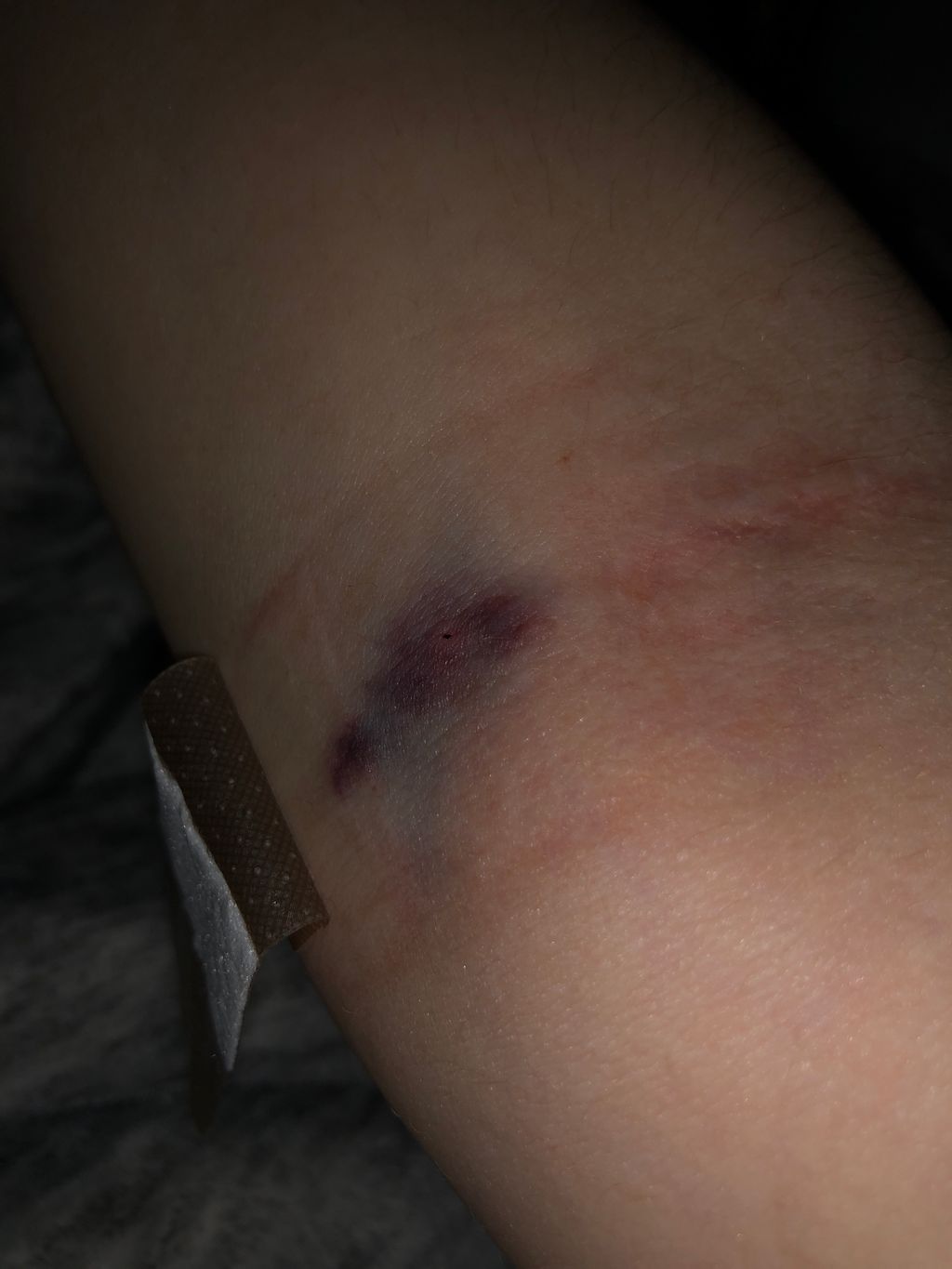
Blown Veins Explained E Phlebotomy Training
It’s not usually serious and often gets better on its own after 1 or 2 weeks. In deep vein thrombosis or dvt, the vein is deep within a muscle. The symptoms of a blown. Web getting blood drawn is a simple process, but the most common complication associated with it is bruising. Phlebitis is also sometimes known as superficial thrombophlebitis.

All this from a single blood draw. Wellthatsucks
Check if you have phlebitis. Dvt increases the risk of serious health problems. That's a swollen area filled with. While a blown vein isn’t serious, it needs about 10 to 12 days. In superficial thrombophlebitis, the vein is near the surface of the skin.
Swollen Vein After Blood Draw - Web thrombophlebitis is a condition that causes a blood clot to form and block one or more veins, often in the legs. Your doctor might call this kind of bruise a hematoma. Web if the person drawing blood has any difficulty locating a vein — for example, if your arm is swollen or your veins are less visible — it makes it more likely that blood vessels will be damaged. Web a blown vein happens when a needle goes into your vein and out the other side. Web superficial thrombophlebitis is an inflammation of a vein just below the surface of the skin, which results from a blood clot. Dvt increases the risk of serious health problems.
Web the term “blown vein” refers to a vein that has sustained damage from a needle, causing it to leak blood into the surrounding area. The symptoms of a blown. In deep vein thrombosis or dvt, the vein is deep within a muscle. While a blown vein isn’t serious, it needs about 10 to 12 days. Possible triggers include damaged vessels, hard veins, or inadequate pressure on the puncture site.
Web Getting Blood Drawn Is A Simple Process, But The Most Common Complication Associated With It Is Bruising.
Web however, since i left the hospital my right arm has been in weird pain, the arm is bruised at venipuncture site with what looks to be a literal line of blood under the skin, swollen tenderness at place needle went in, and the vein appears to be inflamed/swollen. Web if the person drawing blood has any difficulty locating a vein — for example, if your arm is swollen or your veins are less visible — it makes it more likely that blood vessels will be damaged. Web a blown vein is a vein that’s mildly injured during a blood draw or iv placement. Doctors also call this a ruptured vein.
Check If You Have Phlebitis.
Web phlebitis is inflammation of a vein near the surface of the skin. Phlebitis is also sometimes known as superficial thrombophlebitis or superficial vein thrombosis. In superficial thrombophlebitis, the vein is near the surface of the skin. Web a blown vein happens when a needle goes into your vein and out the other side.
In Deep Vein Thrombosis Or Dvt, The Vein Is Deep Within A Muscle.
Web thrombophlebitis is a condition that causes a blood clot to form and block one or more veins, often in the legs. While a blown vein isn’t serious, it needs about 10 to 12 days. It’s not usually serious and often gets better on its own after 1 or 2 weeks. Web the term “blown vein” refers to a vein that has sustained damage from a needle, causing it to leak blood into the surrounding area.
Symptoms Include Bruising, Swelling And Discomfort Around Your Vein.
This condition may occur after recently using an iv line, or after trauma to the vein. The symptoms of a blown. Web superficial thrombophlebitis is an inflammation of a vein just below the surface of the skin, which results from a blood clot. Dvt increases the risk of serious health problems.