
Sand Valley Golf Course Wisconsin
Sand Valley Golf Course Wisconsin - Sand can be defined as the mixture of small fine grains of granular materials and rock. Sand is a natural, unconsolidated granular material. Learn what sand is, its composition, where it comes from, its uses, and whether it's a renewable resource. Sand is a naturally occurring granular material composed of finely divided rock and mineral particles. Particles from 0.0623 to 0.004 millimeters. It is a vital component in construction, landscaping, and numerous industrial.
Geologists define sand as fine rock particles with a diameter ranging from 0.063 to 2 millimeters. It consists of sand grains ranging in size from 1/16 to 2 mm (62.5 to 2000 micrometers). An individual such particle is called a sand grain. Learn what sand is, its composition, where it comes from, its uses, and whether it's a renewable resource. Particles from 0.0623 to 0.004 millimeters.

Sand Stock Photos, Pictures & RoyaltyFree Images iStock
It is defined by its grain size, which typically ranges from 0.0625 millimeters. Sand is a natural, unconsolidated granular material. An individual such particle is called a sand grain. Learn what sand is, its composition, where it comes from, its uses, and whether it's a renewable resource. Sand is a naturally occurring granular material composed of finely divided rock and.
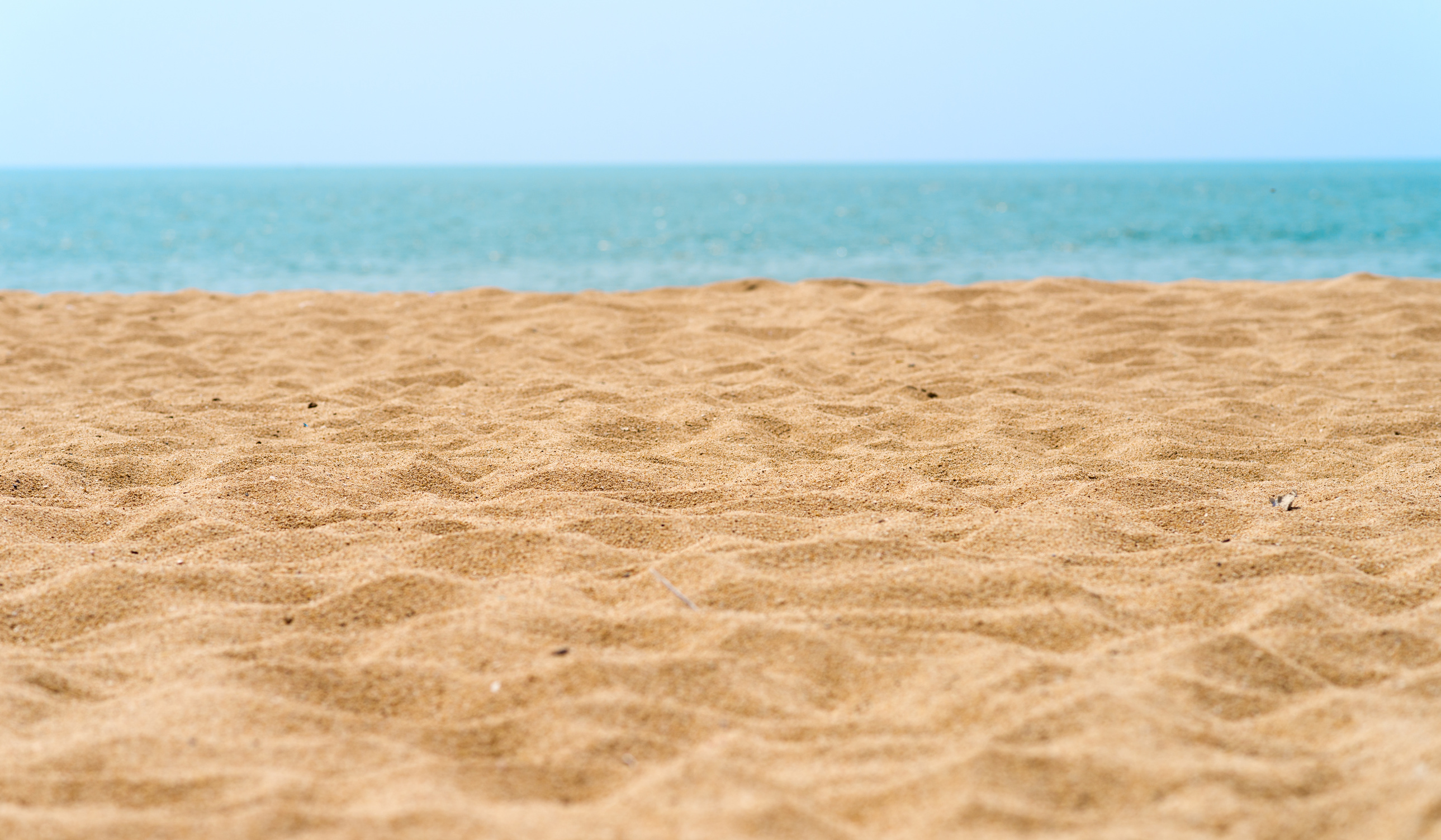
Free photo Sand beach Beach, Ocean, Sand Free Download Jooinn
An individual such particle is called a sand grain. It consists of sand grains ranging in size from 1/16 to 2 mm (62.5 to 2000 micrometers). Sand is a naturally occurring granular material composed of finely divided rock and mineral particles. Learn what sand is, its composition, where it comes from, its uses, and whether it's a renewable resource. Sand.

Free High Resolution Sand Textures
From its formation to the diversity of sand types and its global importance: Sand is a naturally occurring granular material composed of finely divided rock and mineral particles. Sand can be defined as the mixture of small fine grains of granular materials and rock. Sand is a natural, unconsolidated granular material. Sand is a specific size of loose grains of.

Sand dune Definition, Formation, & Facts Britannica
Sand is a naturally occurring granular material composed of finely divided rock and mineral particles. It is a vital component in construction, landscaping, and numerous industrial. Sand grains may be mineral. Geologists define sand as fine rock particles with a diameter ranging from 0.063 to 2 millimeters. An individual such particle is called a sand grain.

Sand Wallpapers Wallpaper Cave
It consists of sand grains ranging in size from 1/16 to 2 mm (62.5 to 2000 micrometers). Sand is a naturally occurring granular material composed of finely divided rock and mineral particles. Sand forms in different ways. Particles from 0.0623 to 0.004 millimeters. An individual such particle is called a sand grain.
Sand Valley Golf Course Wisconsin - Sand forms in different ways. From its formation to the diversity of sand types and its global importance: Learn what sand is, its composition, where it comes from, its uses, and whether it's a renewable resource. Sand is a naturally occurring granular material composed of finely divided rock and mineral particles. Sand grains may be mineral. It consists of sand grains ranging in size from 1/16 to 2 mm (62.5 to 2000 micrometers).
An individual such particle is called a sand grain. It is defined by its grain size, which typically ranges from 0.0625 millimeters. It is a vital component in construction, landscaping, and numerous industrial. Sand forms in different ways. Sand is a specific size of loose grains of minerals, rocks, and organic remains.
Geologists Define Sand As Fine Rock Particles With A Diameter Ranging From 0.063 To 2 Millimeters.
Learn what sand is, its composition, where it comes from, its uses, and whether it's a renewable resource. It is a vital component in construction, landscaping, and numerous industrial. An individual such particle is called a sand grain. Sand is a natural, unconsolidated granular material.
Sand Grains May Be Mineral.
Sand can be defined as the mixture of small fine grains of granular materials and rock. Sand is a naturally occurring granular material composed of finely divided rock and mineral particles. It is defined by its grain size, which typically ranges from 0.0625 millimeters. Particles from 0.0623 to 0.004 millimeters.
Sand Forms In Different Ways.
From its formation to the diversity of sand types and its global importance: Sand is a specific size of loose grains of minerals, rocks, and organic remains. It consists of sand grains ranging in size from 1/16 to 2 mm (62.5 to 2000 micrometers). Sand is a naturally occurring granular material composed of finely divided rock and mineral particles.