
Omakase Meal Courses
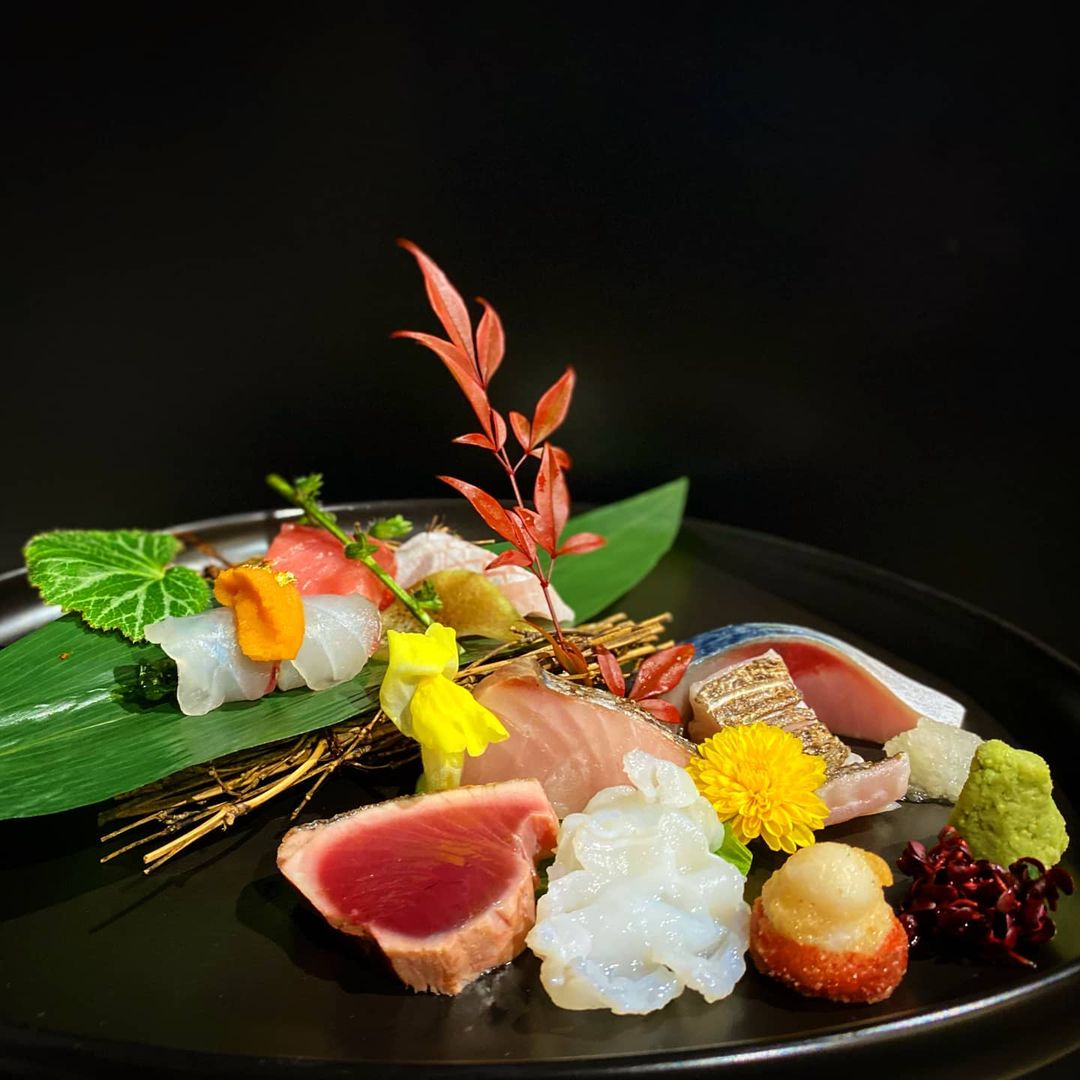
Omakase Meal Courses - Unlike traditional dining, where you choose from a. During an omakase experience, you can expect to sit at the sushi bar, interact with the sushi chef, and learn about ingredients handpicked from the fish market. Omakase dining is a unique approach to eating out, where the customer leaves the meal selection entirely up to the chef. In japanese, omakase (o r おまかせ) roughly translates to putting trust in you or leaving it up to you. how omakase is served depends on the chef and the restaurant, so your. Few formal dining experiences are as revered or as intimidating as omakase, a form of japanese dining in which guests leave themselves in the hands of a chef and receive. Omakase is a traditional japanese dining style in which the chef provides a meal tailored to your preferences based on availability, budget, taste, and seasonality.
“omakase” (おまかせ) is a japanese word that translates literally to “i’ll leave it up to you.” in a dining context, it means placing your full trust in the chef to serve you a curated. In the u.s., omakase usually refers to an extended sushi dinner, ideally eaten at the sushi counter, where the chef prepares one piece of fish at a time, announces its name and origin,. Omakase is a traditional japanese dining style in which the chef provides a meal tailored to your preferences based on availability, budget, taste, and seasonality. During an omakase experience, you can expect to sit at the sushi bar, interact with the sushi chef, and learn about ingredients handpicked from the fish market. In japanese, omakase (o r おまかせ) roughly translates to putting trust in you or leaving it up to you. how omakase is served depends on the chef and the restaurant, so your.
11 Cheap Omakase Options In Singapore, Including 15Course Menus For
During an omakase experience, you can expect to sit at the sushi bar, interact with the sushi chef, and learn about ingredients handpicked from the fish market. Omakase is a traditional japanese dining style in which the chef provides a meal tailored to your preferences based on availability, budget, taste, and seasonality. Omakase dining is a unique approach to eating.

Monjin Omakase Authentic Japanese Fine Dining Culinary Art
Omakase dining is a unique approach to eating out, where the customer leaves the meal selection entirely up to the chef. Unlike traditional dining, where you choose from a. In japanese, omakase (o r おまかせ) roughly translates to putting trust in you or leaving it up to you. how omakase is served depends on the chef and the restaurant, so.

SHINZO OMAKASE, New York City Menu, Prices & Restaurant Reviews
In the u.s., omakase usually refers to an extended sushi dinner, ideally eaten at the sushi counter, where the chef prepares one piece of fish at a time, announces its name and origin,. Omakase dining is a unique approach to eating out, where the customer leaves the meal selection entirely up to the chef. Few formal dining experiences are as.

What is Omakase Why are the Japanese willing to spend money on this
Unlike traditional dining, where you choose from a. “omakase” (おまかせ) is a japanese word that translates literally to “i’ll leave it up to you.” in a dining context, it means placing your full trust in the chef to serve you a curated. Omakase dining is a unique approach to eating out, where the customer leaves the meal selection entirely up.

7 Japanese Omakase Restaurants In Penang For Delightful Dining
Unlike traditional dining, where you choose from a. “omakase” (おまかせ) is a japanese word that translates literally to “i’ll leave it up to you.” in a dining context, it means placing your full trust in the chef to serve you a curated. Omakase is a japanese word meaning to ‘leave to someone else,’ which diners at japanese sushi restaurants use.
Omakase Meal Courses - During an omakase experience, you can expect to sit at the sushi bar, interact with the sushi chef, and learn about ingredients handpicked from the fish market. Omakase is a traditional japanese dining style in which the chef provides a meal tailored to your preferences based on availability, budget, taste, and seasonality. “omakase” (おまかせ) is a japanese word that translates literally to “i’ll leave it up to you.” in a dining context, it means placing your full trust in the chef to serve you a curated. Few formal dining experiences are as revered or as intimidating as omakase, a form of japanese dining in which guests leave themselves in the hands of a chef and receive. Unlike traditional dining, where you choose from a. Omakase is a japanese word meaning to ‘leave to someone else,’ which diners at japanese sushi restaurants use to indicate that they are leaving their meal to the chef’s.
In the u.s., omakase usually refers to an extended sushi dinner, ideally eaten at the sushi counter, where the chef prepares one piece of fish at a time, announces its name and origin,. “omakase” (おまかせ) is a japanese word that translates literally to “i’ll leave it up to you.” in a dining context, it means placing your full trust in the chef to serve you a curated. During an omakase experience, you can expect to sit at the sushi bar, interact with the sushi chef, and learn about ingredients handpicked from the fish market. Few formal dining experiences are as revered or as intimidating as omakase, a form of japanese dining in which guests leave themselves in the hands of a chef and receive. Omakase is a japanese word meaning to ‘leave to someone else,’ which diners at japanese sushi restaurants use to indicate that they are leaving their meal to the chef’s.
In Japanese, Omakase (O R おまかせ) Roughly Translates To Putting Trust In You Or Leaving It Up To You. How Omakase Is Served Depends On The Chef And The Restaurant, So Your.
During an omakase experience, you can expect to sit at the sushi bar, interact with the sushi chef, and learn about ingredients handpicked from the fish market. Omakase is a traditional japanese dining style in which the chef provides a meal tailored to your preferences based on availability, budget, taste, and seasonality. Omakase dining is a unique approach to eating out, where the customer leaves the meal selection entirely up to the chef. In the u.s., omakase usually refers to an extended sushi dinner, ideally eaten at the sushi counter, where the chef prepares one piece of fish at a time, announces its name and origin,.
Few Formal Dining Experiences Are As Revered Or As Intimidating As Omakase, A Form Of Japanese Dining In Which Guests Leave Themselves In The Hands Of A Chef And Receive.
“omakase” (おまかせ) is a japanese word that translates literally to “i’ll leave it up to you.” in a dining context, it means placing your full trust in the chef to serve you a curated. Unlike traditional dining, where you choose from a. Omakase is a japanese word meaning to ‘leave to someone else,’ which diners at japanese sushi restaurants use to indicate that they are leaving their meal to the chef’s.