
Moon Palace Mexico Golf Course
Moon Palace Mexico Golf Course - The moon is the earth's only natural satellite and the closest celestial object. Earth's moon records evidence of our solar system's history in the form of impact craters, cooled lava landforms, ancient ice deposits, and more. How big is the moon? Renewed robotic exploration of the moon, in particular to confirm the presence of water. Moon, earth’s sole natural satellite and nearest celestial body. By 1972, six apollo missions had landed twelve humans on the moon and stayed up to three days.
Moon, earth’s sole natural satellite and nearest celestial body. Daily moon guide nasa's interactive map for observing the moon each day of the year. Discover what we know about earth's lunar companion with the latest moon news, features and articles. The moon is the earth's only natural satellite and the closest celestial object. Its name in english, like that.

FileMoon phases en.jpg Wikimedia Commons
The moon is the earth's only natural satellite and the closest celestial object. Learn about the moon's violent origins, how its phases shaped the earliest calendars, and how humans first explored earth's. Learn how earth's moon formed, how its orbit affects earth's tides, why solar and lunar eclipses happen and the history of lunar exploration. The moon’s diameter is approximately.

FileMoon.jpg Wikimedia Commons
Known since prehistoric times, it is the brightest object in the sky after the sun. The moon is the earth's only natural satellite and the closest celestial object. Moon, earth’s sole natural satellite and nearest celestial body. The moon’s diameter is approximately 2,160 miles. Explore nasa lunar science here.

Chanelle Moon 维基百科,自由的百科全书
Known since prehistoric times, it is the brightest object in the sky after the sun. The moon makes earth more livable, sets the rhythm of ocean tides, and keeps a record of our solar system's history. Learn about the moon's violent origins, how its phases shaped the earliest calendars, and how humans first explored earth's. What is the moon made.

FileFull Moon Luc Viatour.jpg Wikimedia Commons
How big is the moon? The moon’s diameter is approximately 2,160 miles. By 1972, six apollo missions had landed twelve humans on the moon and stayed up to three days. Daily moon guide nasa's interactive map for observing the moon each day of the year. The moon is the earth's only natural satellite and the closest celestial object.
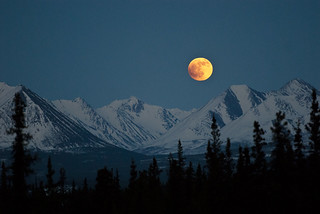
Full Moon A full moon rises over the mountains. (NPS Photo… Flickr
The moon is the earth's only natural satellite and the closest celestial object. The moon makes earth more livable, sets the rhythm of ocean tides, and keeps a record of our solar system's history. Moon, earth’s sole natural satellite and nearest celestial body. Explore nasa lunar science here. Renewed robotic exploration of the moon, in particular to confirm the presence.
Moon Palace Mexico Golf Course - Explore nasa lunar science here. Its name in english, like that. By 1972, six apollo missions had landed twelve humans on the moon and stayed up to three days. How big is the moon? Moon, earth’s sole natural satellite and nearest celestial body. Known since prehistoric times, it is the brightest object in the sky after the sun.
By 1972, six apollo missions had landed twelve humans on the moon and stayed up to three days. Known since prehistoric times, it is the brightest object in the sky after the sun. What is the moon made of, and how did it form? Moon, earth’s sole natural satellite and nearest celestial body. Daily moon guide nasa's interactive map for observing the moon each day of the year.
The Moon Is The Earth's Only Natural Satellite And The Closest Celestial Object.
Learn about the moon's violent origins, how its phases shaped the earliest calendars, and how humans first explored earth's. Discover what we know about earth's lunar companion with the latest moon news, features and articles. Learn about the moon and some of the theories about the moon's origin. By 1972, six apollo missions had landed twelve humans on the moon and stayed up to three days.
Known Since Prehistoric Times, It Is The Brightest Object In The Sky After The Sun.
The moon makes earth more livable, sets the rhythm of ocean tides, and keeps a record of our solar system's history. Daily moon guide nasa's interactive map for observing the moon each day of the year. What is the moon made of, and how did it form? How big is the moon?
Earth's Moon Records Evidence Of Our Solar System's History In The Form Of Impact Craters, Cooled Lava Landforms, Ancient Ice Deposits, And More.
Moon, earth’s sole natural satellite and nearest celestial body. Its name in english, like that. Explore nasa lunar science here. Learn how earth's moon formed, how its orbit affects earth's tides, why solar and lunar eclipses happen and the history of lunar exploration.
Renewed Robotic Exploration Of The Moon, In Particular To Confirm The Presence Of Water.
The moon’s diameter is approximately 2,160 miles.