
Nerve Spine Chart
Nerve Spine Chart - This is called your peripheral. Nerve, in anatomy, a glistening white cordlike bundle of fibers, surrounded by a sheath, that connects the nervous system with other parts of the body. Any of the filamentous bands of nervous tissue that connect parts of the nervous system with the other organs, conduct nerve impulses, and are made up of axons and dendrites together with. A group of long, thin fibres (= structures like threads) that carry information or instructions…. A nerve cell (neuron) consists of a large cell body and nerve fibers—one elongated extension (axon) for sending impulses and usually multiple branches (dendrites) for receiving impulses. Large fibers leave your spinal cord and split like the branches of a tree to go all the different parts of.
Most of the time when doctors use the term “nerve,” they’re referring to the part of your nervous system outside of your brain and spinal cord. Nerve, in anatomy, a glistening white cordlike bundle of fibers, surrounded by a sheath, that connects the nervous system with other parts of the body. This is called your peripheral. In this article we clarify the types of nerves in the body, nerves vs neurons, and explore the cranial and spinal nerves. Because each individual nerve fiber is very tiny, the fibers are bundled together for strength.
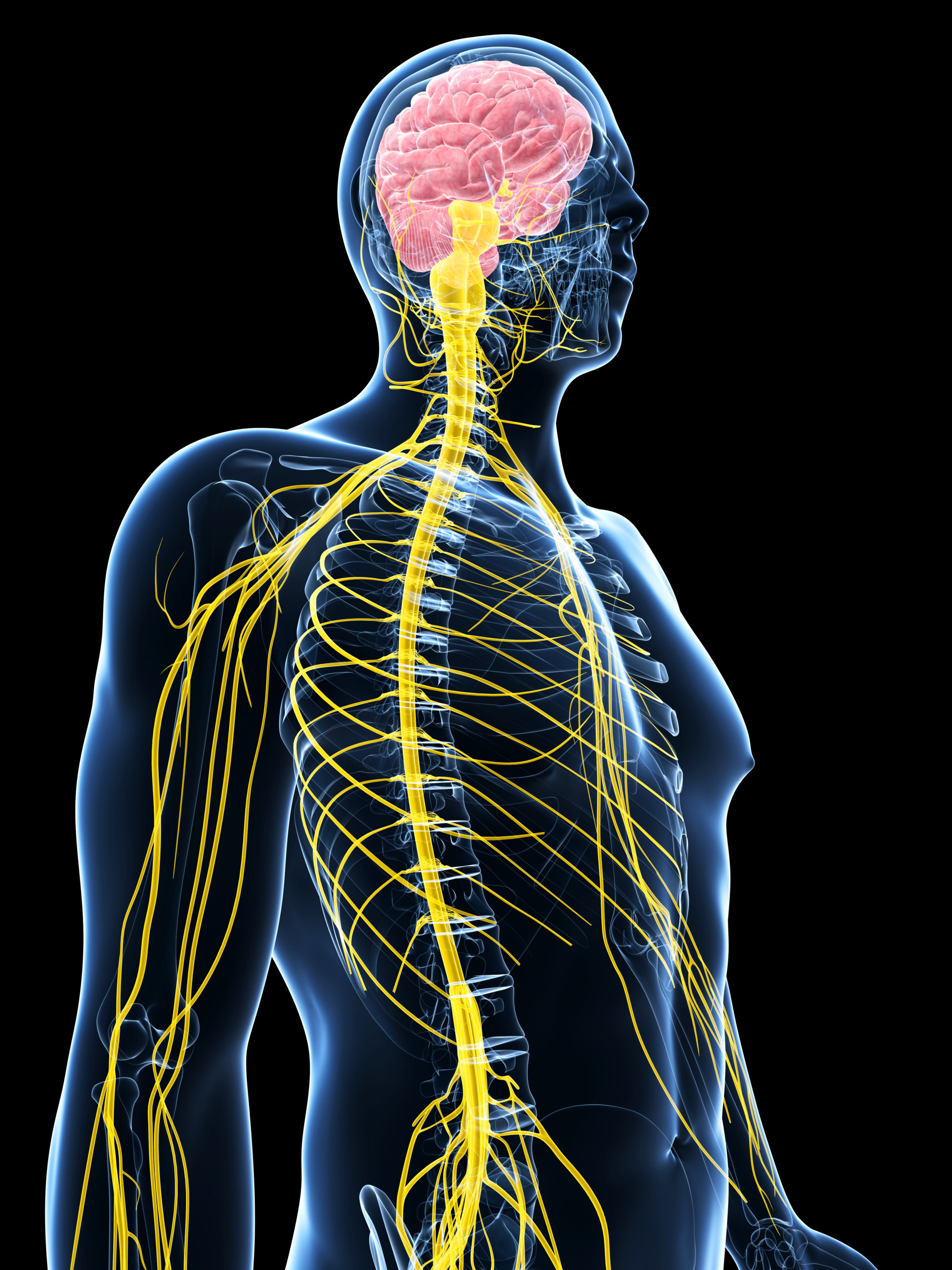
Major Nerves Of The Body
Learn about symptoms, diagnosis, and treatments, along with further complications and risks. Nerve, in anatomy, a glistening white cordlike bundle of fibers, surrounded by a sheath, that connects the nervous system with other parts of the body. Nerve damage and nerve pain (neuralgia) can have multiple causes. Any of the filamentous bands of nervous tissue that connect parts of the.

Chiropractic Solutions for Nerve Pain at Elevate Wellness
A whitish cordlike structure composed of one or more bundles (fascicles) of myelinated or unmyelinated nerve fibers, or more often mixtures of both, coursing outside of the central. A group of long, thin fibres (= structures like threads) that carry information or instructions…. Learn about symptoms, diagnosis, and treatments, along with further complications and risks. Nerve damage and nerve pain.

What Do Peripheral Nerves Do
Nerve damage and nerve pain (neuralgia) can have multiple causes. A nerve cell (neuron) consists of a large cell body and nerve fibers—one elongated extension (axon) for sending impulses and usually multiple branches (dendrites) for receiving impulses. Learn about symptoms, diagnosis, and treatments, along with further complications and risks. Most of the time when doctors use the term “nerve,” they’re.

Nerve Zap Might Ease Pain of Herniated Disc Comprehensive Orthopaedics
Most of the time when doctors use the term “nerve,” they’re referring to the part of your nervous system outside of your brain and spinal cord. This is called your peripheral. Nerve damage and nerve pain (neuralgia) can have multiple causes. Nerves have historically been considered the basic units of the peripheral nervous system. Any of the filamentous bands of.

A whitish cordlike structure composed of one or more bundles (fascicles) of myelinated or unmyelinated nerve fibers, or more often mixtures of both, coursing outside of the central. Nerve damage and nerve pain (neuralgia) can have multiple causes. In this article we clarify the types of nerves in the body, nerves vs neurons, and explore the cranial and spinal nerves..
Nerve Spine Chart - Because each individual nerve fiber is very tiny, the fibers are bundled together for strength. Any of the filamentous bands of nervous tissue that connect parts of the nervous system with the other organs, conduct nerve impulses, and are made up of axons and dendrites together with. A group of long, thin fibres (= structures like threads) that carry information or instructions…. A nerve cell (neuron) consists of a large cell body and nerve fibers—one elongated extension (axon) for sending impulses and usually multiple branches (dendrites) for receiving impulses. This is called your peripheral. In this article we clarify the types of nerves in the body, nerves vs neurons, and explore the cranial and spinal nerves.
Most of the time when doctors use the term “nerve,” they’re referring to the part of your nervous system outside of your brain and spinal cord. Large fibers leave your spinal cord and split like the branches of a tree to go all the different parts of. Learn about symptoms, diagnosis, and treatments, along with further complications and risks. This is called your peripheral. A whitish cordlike structure composed of one or more bundles (fascicles) of myelinated or unmyelinated nerve fibers, or more often mixtures of both, coursing outside of the central.
This Is Called Your Peripheral.
In this article we clarify the types of nerves in the body, nerves vs neurons, and explore the cranial and spinal nerves. Because each individual nerve fiber is very tiny, the fibers are bundled together for strength. A nerve cell (neuron) consists of a large cell body and nerve fibers—one elongated extension (axon) for sending impulses and usually multiple branches (dendrites) for receiving impulses. Nerves have historically been considered the basic units of the peripheral nervous system.
Nerve, In Anatomy, A Glistening White Cordlike Bundle Of Fibers, Surrounded By A Sheath, That Connects The Nervous System With Other Parts Of The Body.
Most of the time when doctors use the term “nerve,” they’re referring to the part of your nervous system outside of your brain and spinal cord. A group of long, thin fibres (= structures like threads) that carry information or instructions…. A whitish cordlike structure composed of one or more bundles (fascicles) of myelinated or unmyelinated nerve fibers, or more often mixtures of both, coursing outside of the central. Large fibers leave your spinal cord and split like the branches of a tree to go all the different parts of.
Learn About Symptoms, Diagnosis, And Treatments, Along With Further Complications And Risks.
Any of the filamentous bands of nervous tissue that connect parts of the nervous system with the other organs, conduct nerve impulses, and are made up of axons and dendrites together with. Nerve damage and nerve pain (neuralgia) can have multiple causes.