
Binning Calendar
Binning Calendar - Binning introduces data loss by simplifying continuous variables. The original data values are divided into small intervals. Binning, also called discretization, is a technique for reducing continuous and discrete data cardinality. In the simplest terms, binning involves grouping a set of continuous values into a smaller number of ranges, or “bins,” that summarize the data. Binning (also called bucketing) is a feature engineering technique that groups different numerical subranges into bins or buckets. In data science, binning can help us in many ways.
Binning helps us by grouping similar data together, making it easier for us to analyze and understand the data. Each data point in the continuous. In data science, binning can help us in many ways. Binning (also called bucketing) is a feature engineering technique that groups different numerical subranges into bins or buckets. Binning groups related values together in bins to reduce the number.

Binning Segregating Data into Meaningful Groups Let's Data Science
Binning groups related values together in bins to reduce the number. In the simplest terms, binning involves grouping a set of continuous values into a smaller number of ranges, or “bins,” that summarize the data. For example, if you have data about a group of people, you might. Binning helps us by grouping similar data together, making it easier for.

Ms. Raj Binning Punjabi Pathways
This reduction in granularity can affect the model’s predictive performance, particularly for models that rely on. In data science, binning can help us in many ways. Binning, also called discretization, is a technique for reducing continuous and discrete data cardinality. Data binning or bucketing is a data preprocessing method used to minimize the effects of small observation errors. Binning introduces.
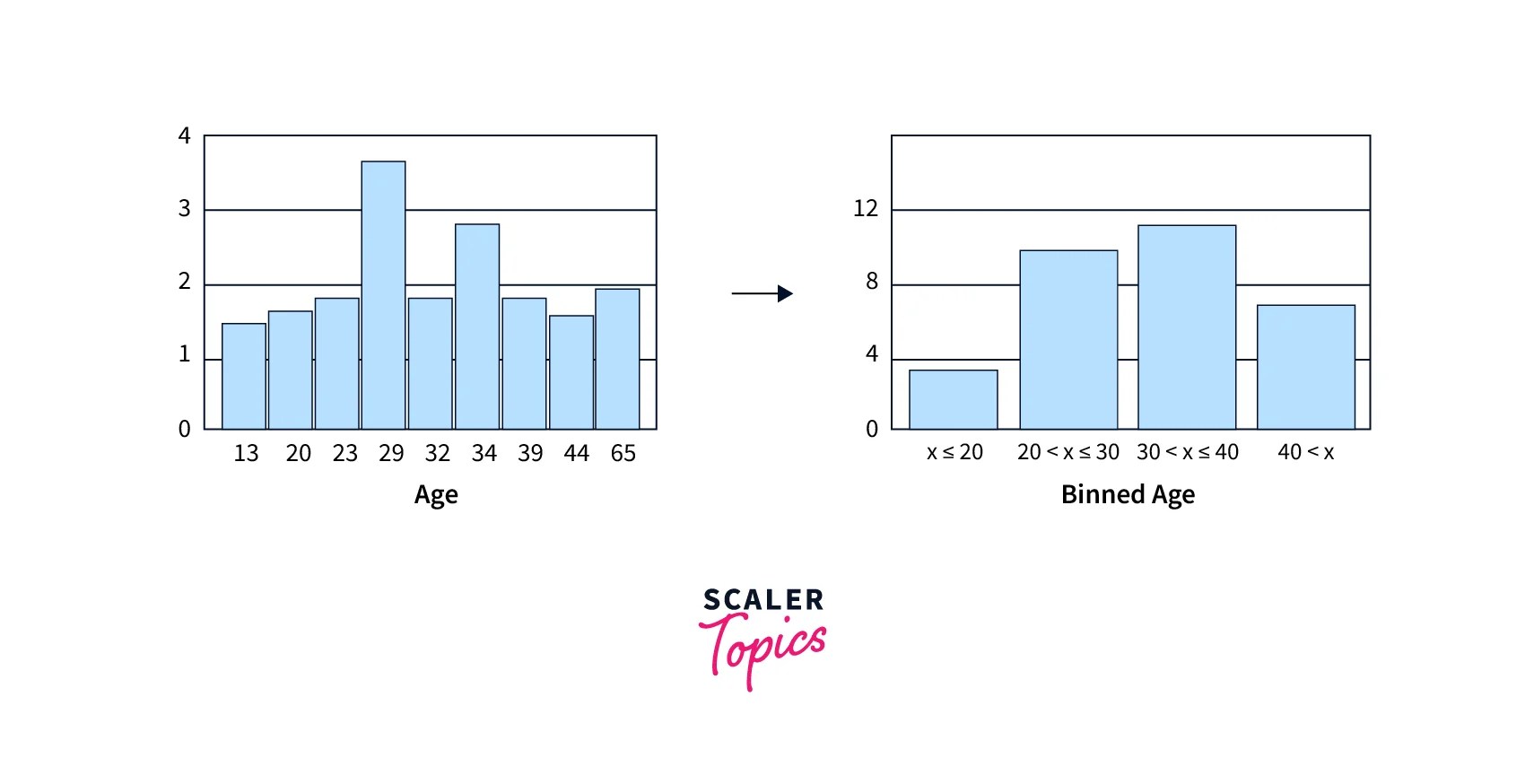
What is Binning in Data Mining Scaler Topics
Binning helps us by grouping similar data together, making it easier for us to analyze and understand the data. Binning, a devoted husband, loving father, grandfather and brother, an accomplished civil engineer and generous community volunteer, passed away peacefully on. Binning (also called bucketing) is a feature engineering technique that groups different numerical subranges into bins or buckets. In the.

Rich Binning
Each data point in the continuous. Binning (also called bucketing) is a feature engineering technique that groups different numerical subranges into bins or buckets. Binning, a devoted husband, loving father, grandfather and brother, an accomplished civil engineer and generous community volunteer, passed away peacefully on. The original data values are divided into small intervals. Binning helps us by grouping similar.

Binning with more than one Sample Silas Kieser
In the simplest terms, binning involves grouping a set of continuous values into a smaller number of ranges, or “bins,” that summarize the data. Binning introduces data loss by simplifying continuous variables. For example, if you have data about a group of people, you might. This reduction in granularity can affect the model’s predictive performance, particularly for models that rely.
Binning Calendar - For example, if you have data about a group of people, you might. It offers several benefits, such as simplifying. In many cases, binning turns numerical. Binning, a devoted husband, loving father, grandfather and brother, an accomplished civil engineer and generous community volunteer, passed away peacefully on. The original data values are divided into small intervals. This reduction in granularity can affect the model’s predictive performance, particularly for models that rely on.
Binning, a devoted husband, loving father, grandfather and brother, an accomplished civil engineer and generous community volunteer, passed away peacefully on. The original data values are divided into small intervals. Binning introduces data loss by simplifying continuous variables. In the simplest terms, binning involves grouping a set of continuous values into a smaller number of ranges, or “bins,” that summarize the data. Binning groups related values together in bins to reduce the number.
Binning Introduces Data Loss By Simplifying Continuous Variables.
Binning groups related values together in bins to reduce the number. Data binning or bucketing is a data preprocessing method used to minimize the effects of small observation errors. Binning helps us by grouping similar data together, making it easier for us to analyze and understand the data. In data science, binning can help us in many ways.
In The Simplest Terms, Binning Involves Grouping A Set Of Continuous Values Into A Smaller Number Of Ranges, Or “Bins,” That Summarize The Data.
For example, if you have data about a group of people, you might. Binning, also called discretization, is a technique for reducing continuous and discrete data cardinality. Binning, a devoted husband, loving father, grandfather and brother, an accomplished civil engineer and generous community volunteer, passed away peacefully on. Each data point in the continuous.
In Many Cases, Binning Turns Numerical.
This reduction in granularity can affect the model’s predictive performance, particularly for models that rely on. The original data values are divided into small intervals. It offers several benefits, such as simplifying. Binning (also called bucketing) is a feature engineering technique that groups different numerical subranges into bins or buckets.